Precision Diagnostics and Accurate Results: Critical Success Factors in Toxicology and TDM Analysis

Two of the most critical and zero-tolerance areas of clinical laboratories are undoubtedly toxicology and Therapeutic Drug Monitoring (TDM) analysis. These tests are not just laboratory data; they are vital parameters that directly determine the patient’s treatment course, drug dosage, and even forensic processes. In these branches where sensitivity and specificity are of such high importance, success is not a coincidence.

So, what are the critical success factors that guaranteeaccurate results” in the sechallenging analyses? Here are the cornerstones of this process with Onvitron’s solution-oriented approach:

1. Catching the Therapeutic Window in TDM

Therapeutic Drug Monitoring (TDM) is of vital importance, especially in monitoring drugs with a narrow therapeutic index (e.g., antiepileptics orimmunosuppressants). The concentration of the drug in the blood must remain on that narrow line between theineffective doseand thetoxic dose.” Onvitron TDM diagnostic kits are developed to measure this delicate balance with millimeter accuracy. Accurate measurement ensures the patient is protected from toxicity risks and allows the treatment to be maintained with maximum efficiency.

2. Managing Cross-Reaction Risks in Toxicology

The detection of Drugs of Abuse (DOA) creates both medical and legal responsibilities. The biggest obstacle in these analyses is the cross-reactions caused by substances with similar chemical structures, leading tofalse positiveresults. Onvitron Toxicology Solutions minimize the risk of cross-reaction by using advanced antibody technology. In this way, laboratories can have full confidence in their results and reduce the need for additional confirmatory tests, providing cost savings.

3. Analytical Sensitivity and Cut-off Values

In toxicological analysis, it is essential that the lower limits at which substances can be detected (cut-off values) comply with international standards. In modern healthcare, systems with analytical sensitivity capable of detecting substance seven at very low concentrations are a necessity. As part of our Advanced Diagnostic Solutions vision, all our kits provide stable and reproducible result seven at the lowest limits.

4. System Integration and Stability

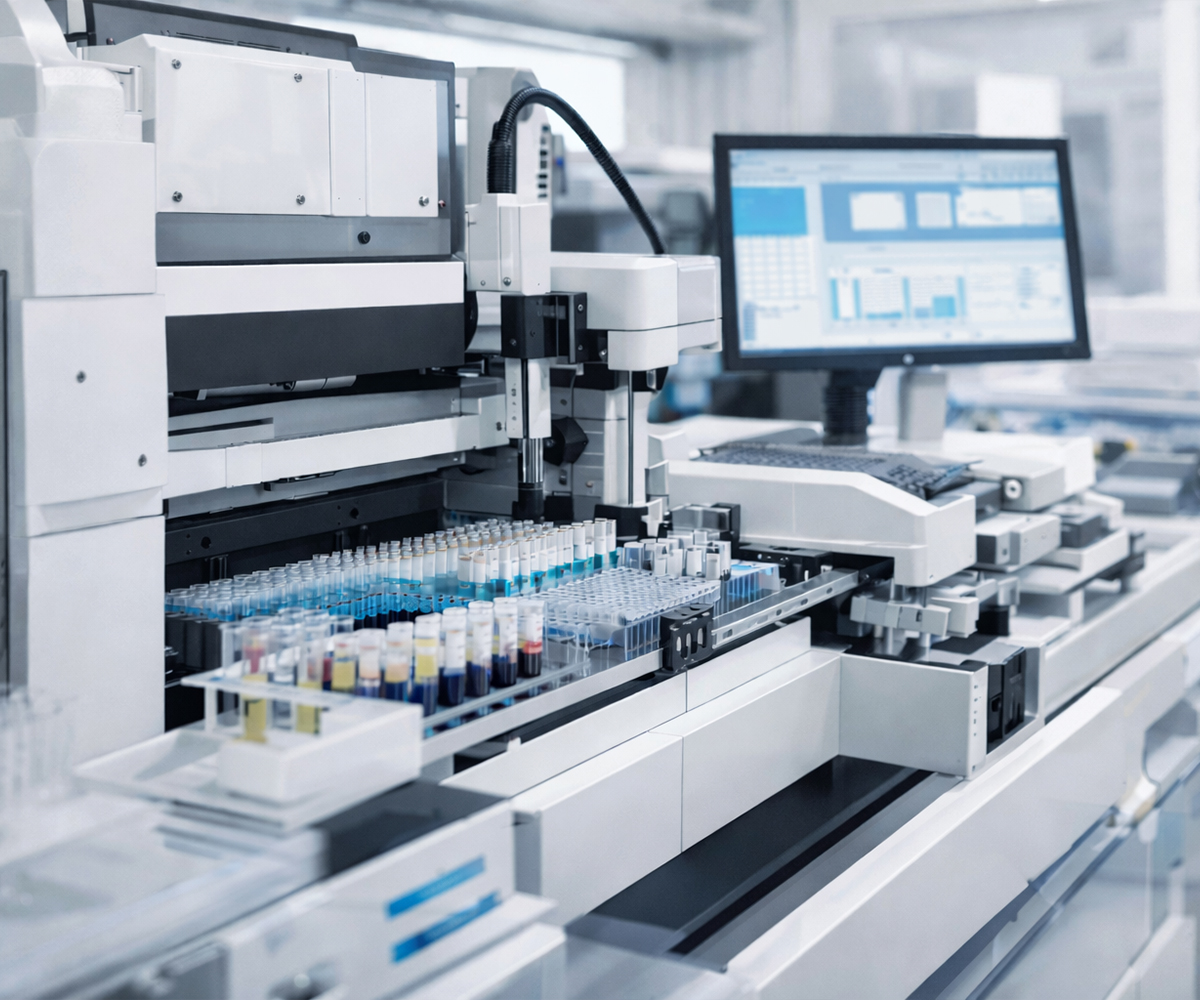
The success of the analysis depends not only on the kit but also on the kit’s performance on the device. Onvitron products are validated to work in full harmony with existing automated analyzers in laboratories. High reagent stability reduces calibration frequency and minimizesinter-laboratory variation.” This stability guarantees the consistency of results, especially in TDM processes that require long-term patient follow-up.

5. Accuracy and Trust: 100% Quality Focus

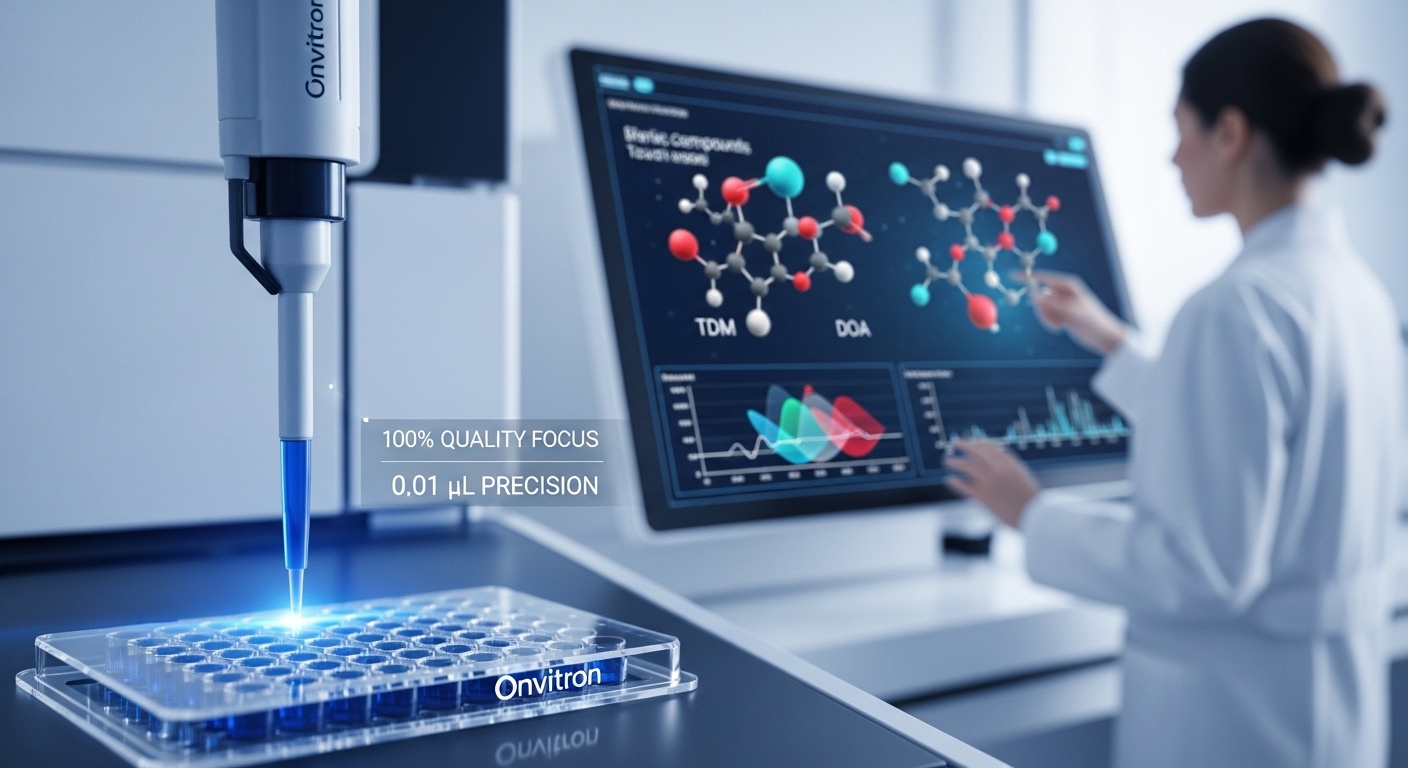
There is no such concept as “almost accurate” in the world of diagnostics. Especially in critical areas like toxicology, every result affects the quality of a life. Onvitron applies the highest quality control standards at every stage from production to the end-user, with the principle of 100% Quality Focus.

Conclusion: The Right Technology for the Right Diagnosis

Toxicology and TDM analysis in modern clinics are a synthesis of advanced technologies and scientific rigor. To achieve high accuracy rates in your laboratory and reinforce clinical trust, take advantage of Onvitron‘s innovative diagnostic approaches.

Reliable results are the foundation of healthy tomorrows.

The Future of IVD Technologies: New Diagnostic Approaches in Modern Healthcare

The medical world is evolving from a “reactive” model to a “predictiveone. At the very center of this massive transformation lies In-Vitro Diagnostic (IVD) technologies. While more than 70% of clinical decisions today are based on laboratory tests, innovations in IVD technologies are becoming not justtools,” but the main drivers of modern healthcare.

So, what awaits us in this new era led by R&D-focused brands like Onvitron? Here are the key trends reshaping the laboratory world and diagnostic processes:

1. Integration of Artificial Intelligence and Data Analytics

Future laboratories will be centers that not only perform tests but also generate and interpret data. Massive data sets (Big Data) obtained from analyzers are processed with artificial intelligence algorithms, allowing diseases to be detected at much earlier stages. IVD technologies no longer just state thecurrent situation“; they analyze the patient’s risk profile and illuminate personalized treatment paths.

2. Precision Medicine and Targeted Diagnostics

Every patient is unique, and modern medicine now accepts this as a standard. The specialty diagnostics and toxicology solutions that Onvitron focuses on constitute the most important link in precision medicine applications. With methods such as Therapeutic Drug Monitoring (TDM), drug dosages can be instantaneously adjusted according to the patient’s metabolism. This increases treatment success while minimizing the risk of side effects.

3. Digital Laboratories and Remote Monitoring

Digitalization is removing laboratory walls. Thanks to cloud-based systems, laboratory managers can monitor device performance and test results from any where in the world. Onvitron’s vision is to ensure operational continuity digitally by providing reagents and system liquids that are fully compatible with this digital ecosystem.

4. Sustainability and Operational Excellence

In future diagnostic approaches, the concept of thegreen laboratorywill gain more importance. Systems that produce less waste, consume less energy, but work with higher accuracy are becoming the standard. Onvitron supports modern healthcare facilities in reducing their carbon footprint by combining environmental sustainability and operational efficiency in its product development processes.

5. Synergy Between Molecular Diagnostics and Advanced Biochemistry

The line between traditional biochemistry methods and molecular diagnostics is becoming increasingly blurred. Hybrid systems offer the opportunity to perform multi-dimensional analysis over a single platform. This hybridization shortens the time to diagnosis while increasing the cost-effectiveness of laboratories.

Conclusion: Preparing for the Future with Onvitron

This rapid change in the IVD world makes it mandatory for laboratories toup date not only their devices but also their business philosophies. Onvitron, with its pioneering solutions and Pioneering IVD Solutions vision, enables healthcare organizations to adapt to this future today.

To make a difference in modern healthcare and meet next-generation diagnostic technologies, make room for innovation at the heart of your laboratory.

5 Ways to Enhance Efficiency in Clinical Biochemistry Laboratories

In the modern medical world, more than 70% of diagnostic and treatment processes rely on laboratory results. However, increasing patient loads and rapidly changing technology are putting clinical biochemistry laboratories under immense pressure. So, is it possible to both increase speed and minimize the margin of error?

Here are 5 critical strategies to optimize your laboratory operations, supported by Onvitron‘s innovative vision:

1. Use High-Stability Reagents

The unsung hero of laboratory efficiency is the quality of the reagents used. Low-quality or poor-stability reagents cause both time loss and increased costs by requiring frequent calibration. Onvitron Clinical Biochemistry Solutions reduce instrument downtime thanks to their high-stability structures. Longshelf-life and reliable reagents make the workflow seamless by reducing therepeat test” rate.

2. Put Automation at the Center of the Workflow

Manual processes are the areas most open to human error. Laboratory automation includes not only carrying samples but also processing data and validating results. Using systems that are fully compatible with automated analyzers allows personnel to spend their time on result analysis rather than data entry. The automation-compatible systems offered by Onvitron can increase labor efficiency by up to 30%.

3. Preventive Maintenance and System Cleaning

A malfunction in an analyzer means the heart of the laboratory stops. Efficiencyis measured not only by the number of tests but also by how “ready for operationthe device is. The use of ISE and System Liquids is critical top revent internal clogs and protect sensor sensitivity. By using optimized wash solutions, you can extend the life of the device and prevent unexpected technical failures.

4. Inventory Management and Logistic Planning

One of the most common efficiency losses in laboratories is the depletion of a critical kit or the expiration of its shelf life. This risk is eliminated with smart inventory management, digital tracking systems, and reliable supply partners. Onvitron’s wide product portfolio and continuous supply chain support allow laboratories to focus on “diagnostic qualityinstead of a “stock crisis.”

5. Continuous Education and Quality Focus

No matter how much technology develops, the competence of the expert using it is the key to efficiency. Laboratory personnel must stay up-to-date on new-generation IVD solutions and device protocols. In a laboratory operating with the 100% Quality Focus principle, the margin of error naturally decreases when every team member becomes a part of the quality standards.

Conclusion: Build the Laboratory of the Future Today

Efficiency in clinical biochemistry is not a destination but a journey of continuous improvement. Working with the right technology partner makes this journey much safer and faster. Discover Onvitron’s advanced diagnostic solutions to reach the standards of modern healthcare and ensure excellence in your laboratory.

Current Challenges in the IVD Sector and the Changing Needs of Laboratories

İn vitro diagnostik (IVD) sektörü, son yıllarda önemli bir dönüşüm sürecinden geçmektedir. Artan test hacimleri, teknolojik gelişmeler ve sağlık sistemlerindeki değişimler, laboratuvarların beklenti ve ihtiyaçlarını yeniden şekillendirmektedir.

Bu süreçte, yalnızca yeni teknolojilere uyum sağlamak değil, aynı zamanda değişen koşullara hızlı, esnek ve sürdürülebilir çözümler geliştirmek kritik hale gelmiştir.

Bu yazıda, IVD sektöründe öne çıkan güncel zorlukları ve laboratuvarların bu yeni dönemde karşılaştığı ihtiyaçları ele alıyoruz.

Artan Test Hacmi ve Operasyonel Baskı

Sağlık hizmetlerine erişimin artması ve erken tanı farkındalığının yükselmesi, laboratuvarlarda test hacminin önemli ölçüde artmasına neden olmuştur. Bu durum:

  • İş yükünün artması
  • Daha hızlı sonuç beklentisi
  • Operasyonel verimlilik ihtiyacı

gibi baskıları beraberinde getirir.

Laboratuvarlar, bu artan talebi karşılayabilmek için daha ölçeklenebilir ve verimli sistemlere ihtiyaç duymaktadır.

Doğruluk ve Tutarlılık Beklentisinin Yükselmesi

Modern sağlık sistemlerinde yalnızca hızlı sonuçlar değil, aynı zamanda yüksek doğruluk ve tutarlılık da beklenmektedir. Klinik kararların büyük ölçüde laboratuvar verilerine dayanması, diagnostik sonuçların güvenilirliğini daha kritik hale getirmiştir. Bu nedenle laboratuvarlar:

  • Variabiliteyi azaltmaya
  • Standart süreçler oluşturmaya
  • Kalite kontrol mekanizmalarını güçlendirmeye

odaklanmaktadır.

Tedarik Zinciri ve Süreklilik Sorunları

Küresel ölçekte yaşanan gelişmeler, IVD sektöründe tedarik zinciri yönetiminin önemini artırmıştır. Reaktif ve sarf malzeme temininde yaşanan gecikmeler:

  • Test süreçlerinde aksamalara
  • Hizmet sürekliliğinde risklere
  • Operasyonel planlamada zorluklara

yol açabilmektedir.

Bu nedenle laboratuvarlar için sürdürülebilir ve güvenilir tedarik yapıları kritik hale gelmiştir.

Dijitalleşme ve Veri Yönetimi

Diagnostik süreçler giderek daha fazla veri üretmektedir. Bu verilerin doğru şekilde yönetilmesi, analiz edilmesi ve raporlanması önemli bir ihtiyaç haline gelmiştir. Laboratuvarlar için öne çıkan başlıklar:

  • Veri entegrasyonu
  • Dijital altyapıların güçlendirilmesi
  • Sistemler arası uyumluluk

Bu dönüşüm, yalnızca teknolojik değil, aynı zamanda organizasyonel bir değişimi de beraberinde getirir.

Regülasyon ve Kalite Standartları

IVD sektörü, yüksek düzeyde regülasyon ve kalite standartlarına tabidir. Uluslararası standartlara uyum:

  • Ürün ve süreç güvenilirliği
  • Denetim süreçleri
  • Pazara erişim

açısından kritik öneme sahiptir.

Bu durum, laboratuvarların ve üreticilerin sürekli olarak kalite odaklı sistemler geliştirmesini gerektirir.

Değişen Laboratuvar İhtiyaçları

Bu zorluklar doğrultusunda, laboratuvarların ihtiyaçları da dönüşmektedir:

  • Daha entegre sistemler
  • Daha yüksek otomasyon seviyesi
  • Daha güçlü kalite kontrol altyapısı
  • Daha esnek ve sürdürülebilir operasyonlar

Modern laboratuvarlar, artık yalnızca test yapan birimler değil; veri üreten, yöneten ve karar süreçlerine katkı sağlayan yapılar haline gelmektedir.

Değişime Uyum Sağlayan Laboratuvarlar Öne Çıkıyor

IVD sektöründe yaşanan dönüşüm, laboratuvarları daha stratejik bir konuma taşımaktadır. Bu yeni dönemde başarı, yalnızca teknolojiye sahip olmakla değil, aynı zamanda değişen koşullara uyum sağlayabilen, esnek ve sürdürülebilir sistemler kurabilmekle mümkün olacaktır.

How Laboratory Automation Is Transforming Diagnostic Processes

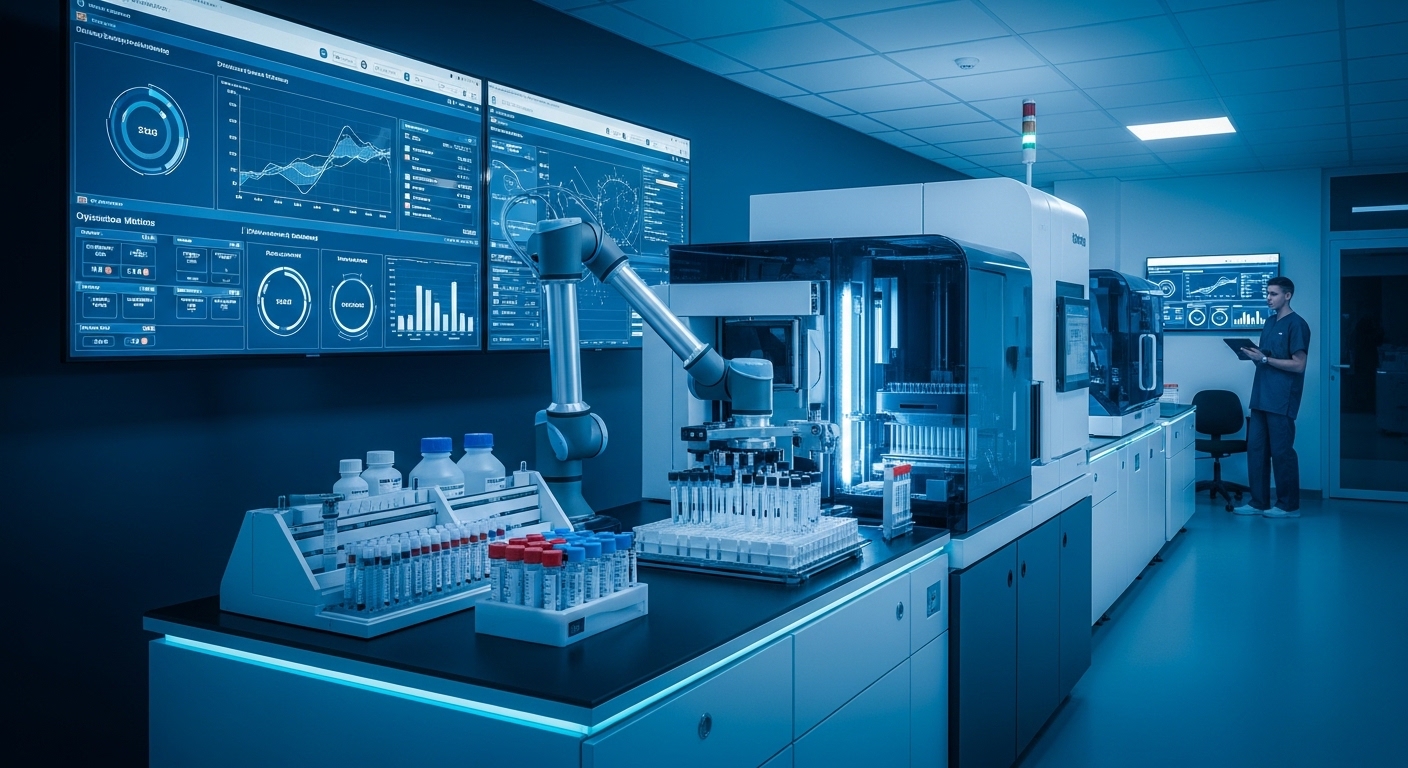
Sağlık sistemlerinde artan test hacmi, hız ve doğruluk beklentisi, laboratuvarların çalışma şeklini köklü biçimde değiştirmektedir. Bu dönüşümün merkezinde ise laboratuvar otomasyonu yer alır.

Geleneksel manuel süreçlerden, entegre ve dijital sistemlere geçiş; yalnızca operasyonel verimliliği artırmakla kalmaz, aynı zamanda diagnostik süreçlerin güvenilirliğini, tutarlılığını ve izlenebilirliğini de güçlendirir.

Bu yazıda, laboratuvar otomasyonunun diagnostik süreçler üzerindeki etkilerini ve neden modern laboratuvarların vazgeçilmez bir parçası haline geldiğini ele alıyoruz.

Laboratuvar Otomasyonu Nedir?

Laboratuvar otomasyonu; numune kabulünden sonuç raporlamasına kadar olan süreçlerin, teknolojik sistemler ve yazılımlar aracılığıyla yönetilmesi anlamına gelir. Bu sistemler şunları kapsayabilir:

  • Otomatik numune taşıma ve işleme sistemleri
  • Entegre analiz cihazları
  • Laboratuvar bilgi yönetim sistemleri (LIMS)
  • Veri izleme ve raporlama altyapıları

Amaç insan müdahalesini azaltarak süreçleri daha hızlı, daha standart ve daha güvenilir hale getirmektir.

Neden Laboratuvar Otomasyonu Giderek Daha Önemli?

Modern laboratuvarlar, artan iş yükü ve kalite beklentileri ile karşı karşıyadır:

  • Yüksek test hacmi
  • Daha kısa sonuç süreleri
  • Daha yüksek doğruluk beklentisi
  • Regülasyon ve kalite standartları

Bu koşullar altında manuel süreçler yetersiz kalabilir. Otomasyon ise bu ihtiyaçlara ölçeklenebilir ve sürdürülebilir çözümler sunar.

Diagnostik Süreçlerde Otomasyonun Sağladığı Avantajlar

1. Hız ve Verimlilik

Otomasyon, numune işleme ve analiz sürelerini kısaltarak daha hızlı sonuç elde edilmesini sağlar.

2. Hata Riskinin Azaltılması

Manuel işlemlerin azalması, insan kaynaklı hataların minimize edilmesine yardımcı olur.

3. Tutarlılık ve Reprodüksiyon

Standartlaştırılmış süreçler sayesinde test sonuçları daha tekrarlanabilir ve güvenilir hale gelir.

4. İzlenebilirlik ve Veri Yönetimi

Otomasyon sistemleri, her adımın kayıt altına alınmasını sağlar. Bu da kalite kontrol ve denetim süreçlerini kolaylaştırır.

5. Entegrasyon ve Sistem Yaklaşımı

Farklı cihaz ve süreçlerin tek bir sistem altında birleşmesi, diagnostik süreçlerin bütünsel olarak yönetilmesini sağlar.

Otomasyonun Diagnostik Kaliteye Etkisi

Laboratuvar otomasyonu yalnızca hız kazandırmaz. Aynı zamanda:

  • Süreç standardizasyonunu artırır
  • Variabiliteyi azaltır
  • Sonuçların güvenilirliğini güçlendirir

Bu da doğrudan klinik kararların kalitesine yansır.

Dikkat Edilmesi Gereken Noktalar

Her otomasyon sistemi aynı etkiyi yaratmaz. Başarılı bir otomasyon için:

  • Doğru sistem seçimi
  • Uygun entegrasyon
  • Personel eğitimi
  • Sürekli bakım ve güncelleme

kritik öneme sahiptir.

Geleceğin Laboratuvarları Otomasyonla Şekilleniyor

Laboratuvar otomasyonu, diagnostik süreçleri yalnızca hızlandıran bir araç değil, aynı zamanda kaliteyi, güvenilirliği ve sürdürülebilirliği artıran stratejik bir unsurdur.

Geleceğin laboratuvarları, manuel süreçlerden çok, entegre, veri odaklı ve otomatik sistemler üzerine inşa edilmektedir.

Factors Affecting the Accuracy of Diagnostic Test Results

Kapsamlı Bir Rehber

  1. Diagnostik testler, modern sağlık sisteminin temel taşlarından biridir. Klinik kararların büyük bir kısmı laboratuvar verilerine dayanırken, bu verilerin doğru, güvenilir ve tutarlı olması hayati önem taşır.

    Ancak bir test sonucunun doğruluğu yalnızca kullanılan cihaz ya da test kiti ile sınırlı değildir. Test sürecinin her aşamasında meydana gelebilecek küçük değişiklikler bile sonuçları etkileyebilir.

    Bu yazıda, diagnostik test sonuçlarının doğruluğunu etkileyen temel faktörleri ve laboratuvarların bu doğruluğu nasıl sağladığını ele alıyoruz.

    Diagnostik Test Doğruluğu Neden Kritik?

    Diagnostik test sonuçları;

    • Hastalıkların erken teşhisi
    • Tedavi planlaması
    • Hastalık takibi

    gibi süreçlerde doğrudan rol oynar.

    Yanlış veya tutarsız bir sonuç, yalnızca teknik bir hata değil; aynı zamanda yanlış klinik kararlar ve uygunsuz tedavi süreçleri anlamına gelebilir. Bu nedenle diagnostik doğruluk, sağlık hizmetlerinin kalitesiyle doğrudan ilişkilidir.

    Diagnostik Süreçte Üç Kritik Aşama

    Bir test sonucunun doğruluğu, üç ana aşamada değerlendirilir:

    1. Pre-Analitik Aşama (Ön Analiz Süreci)

    Bu aşama, test başlamadan önceki tüm süreçleri kapsar:

    • Numune alma yöntemi
    • Numunenin saklanma koşulları
    • Taşıma süreci
    • Hasta hazırlığı

    Bu aşamada yapılan hatalar, toplam hataların büyük bir kısmını oluşturur.

    2. Analitik Aşama (Test Süreci)

    Testin gerçekleştirildiği aşamadır ve şu faktörlerden etkilenir:

    • Kullanılan cihazların performansı
    • Reaktiflerin (reagents) kalitesi
    • Kalibrasyon süreçleri
    • Laboratuvar ortam koşulları

    Bu aşamada doğruluk, teknik altyapı ve standartlara uyum ile doğrudan ilişkilidir.

    3. Post-Analitik Aşama (Sonuç Değerlendirme)

    Test tamamlandıktan sonraki süreçtir:

    • Sonuçların raporlanması
    • Veri yorumlama
    • Klinik ile iletişim

    Yanlış yorumlanan doğru bir sonuç bile, hatalı bir klinik karara yol açabilir.

    Test Sonuçlarını Etkileyen Temel Faktörler

    • Numune Kalitesi

    Numunenin doğru şekilde alınmaması veya uygun koşullarda saklanmaması, test sonuçlarını doğrudan etkiler.

    • Reaktif ve Malzeme Kalitesi

    Kullanılan reaktiflerin stabilitesi ve standardizasyonu, sonuçların güvenilirliğinde kritik rol oynar.

    • Cihaz ve Teknolojik Altyapı

    Cihazların düzenli bakım ve kalibrasyonu yapılmadığında ölçüm hataları oluşabilir.

    • Çevresel Koşullar

    Sıcaklık, nem ve laboratuvar ortamındaki diğer değişkenler test performansını etkileyebilir.

    • İnsan Faktörü

    Laboratuvar personelinin deneyimi ve uygulama standardı, sonuçların doğruluğunu belirleyen önemli unsurlardan biridir.

    Laboratuvarlarda Doğruluk Nasıl Sağlanır?

    Modern laboratuvarlar, test doğruluğunu artırmak için aşağıdaki yöntemleri uygular:

    • Kalite kontrol sistemleri (QC)
    • Kalibrasyon ve standardizasyon süreçleri
    • Uluslararası standartlara uyum (ISO, CLSI vb.)
    • Otomasyon ve dijital sistemler

    Bu yaklaşımlar, yalnızca doğru sonuç üretmeyi değil, aynı zamanda tutarlı ve tekrarlanabilir sonuçlar elde etmeyi hedefler.

    Doğruluk Bir Sonuç Değil, Bir Süreçtir

    Diagnostik testlerde doğruluk, tek bir faktöre bağlı değildir. Aksine, numuneden son rapora kadar uzanan bütünsel bir sürecin sonucudur.

    Bu nedenle laboratuvarlar için asıl hedef yalnızca doğru sonuç üretmek değil, her koşulda aynı doğruluğu sürdürebilmektir.

    Çünkü diagnostikte güvenilirlik, yalnızca bir ölçüm değil; süreklilik ve sistem yaklaşımı gerektiren bir standarttır.